



You find two flights to the same city. One costs less, but it lands farther away, includes less baggage, and leaves before public transport starts. Which one is the better deal?
The useful number is the cost of the trip you actually want to take. Start with your needs, then compare tickets on the same terms. A few minutes of checking can make a lower fare worth taking, or show you why it isn't.
Start with the same journey
Choose the number of travelers, departure and return dates, cabin, and acceptable airports before comparing results. Check the airport codes rather than relying on a city name. Two airports serving one city can mean very different journeys to your hotel.
Then decide what you can compromise on. Perhaps an afternoon departure is essential, but a connection is fine. Perhaps you can travel a day earlier, but need a checked bag. Write these down so a low price doesn't quietly change the trip you meant to book.
Keep your comparison in one currency. An amount shown in euros and another shown in dollars are not directly comparable, and your payment provider may apply a conversion cost.
Add the extras you will use
Open each shortlisted fare and check its baggage allowance, seat options, and ticket conditions. Don't assume that the word “economy” tells you what's included. On British Airways, for example, baggage allowances depend on the fare, route, and airline operating the flight. Check the relevant carrier's baggage information for the exact ticket.
For each option, note:
- The full ticket total for everyone traveling, including displayed taxes.
- The bags you need and the cost of adding them.
- Any seat selection you intend to buy.
- Airport transfers for both the outbound and return journeys.
- A hotel or meal you would need because of a long connection or late arrival.
An optional extra belongs in the comparison only if you plan to use it. You don't need to add a paid seat to every fare if you're comfortable accepting an assigned seat.
Put a price on convenience
Here is an illustrative comparison, not a current fare: ticket A is $240 and needs $45 of baggage and $30 of airport transport. Ticket B is $290 with the required bag included and $10 of transport. Your totals are $315 and $300. The higher headline fare is cheaper for that particular trip.
Also compare time. An overnight connection may be acceptable on a long holiday and inconvenient on a short weekend. Consider what those extra hours would replace, whether that is work, sleep, or time at your destination.
Read the itinerary behind the low price
Google Flights distinguishes its “Best” and “Cheapest” results. Its fare comparison guide explains that cheaper options can involve trade-offs such as transferring your own luggage or using different airports.
Look at the complete itinerary before picking an offer. If it includes a self-transfer or an airport change, read our connecting-flight checklist before deciding whether the saving works for you.
Recheck the final total
Follow the booking link and confirm that the dates, flights, passengers, baggage, and currency still match. Save the selected flight link and a record of the final total. A search result is a starting point for comparison; the booking page is where you check the offer you intend to purchase.
If your dates can move, use our flexible-date guide to compare nearby options before committing.
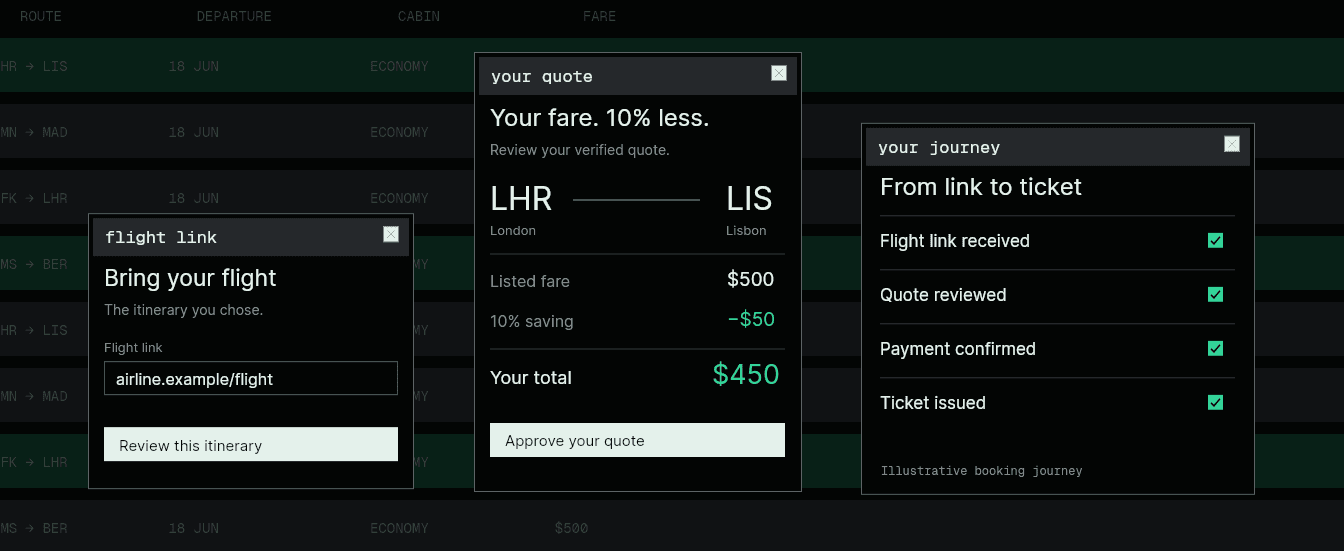
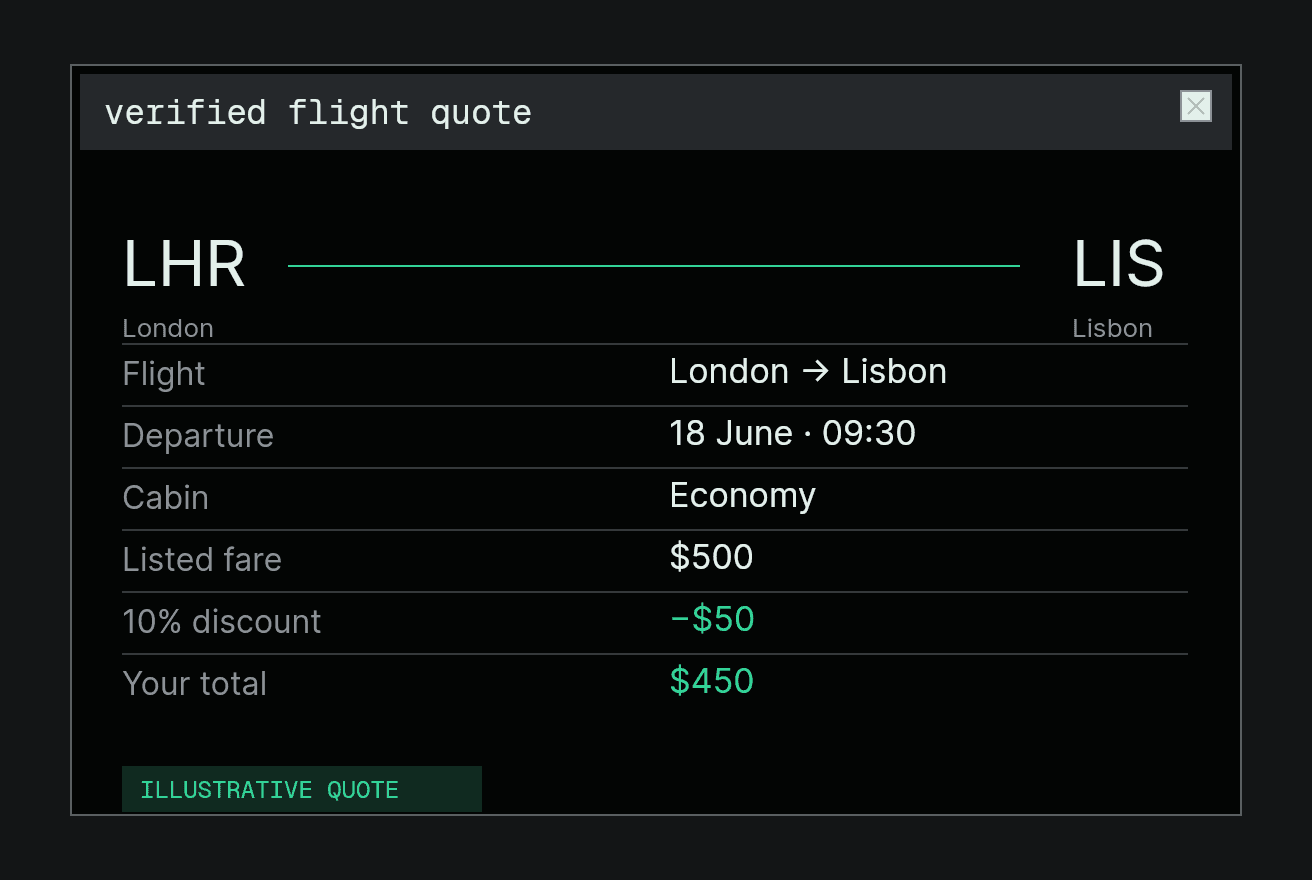
When using Farelumo, enter the complete flight total for all travelers and selected extras. The platform applies a 10% discount for eligible airlines. The team checks the linked fare, eligibility, and availability after payment, before buying the ticket. Payment itself does not reserve a seat. Read how Farelumo works for the booking process.